Gan Heulwen M.
Today is International Mother Language Day, a day promoted by the UN and founded in memory of students martyred in 1952 in East Bengal. The UN homepage for the day describes the strain many languages are under as globalisation pushes indigenous mother languages to the side in education, government and the digital world. Globally, there are approximately 8,324 languages, and only a few hundred have been integrated into education systems and the public domain. Abram De Swaan coined these languages “central languages”, while minoritised languages are considered “peripheral”. De Swaan’s conception of a global language system allows us to better understand the interaction between language and capital.
The Bengali Language Movement
Today is a day to fight for language rights, just as the Bengali Language movement did.
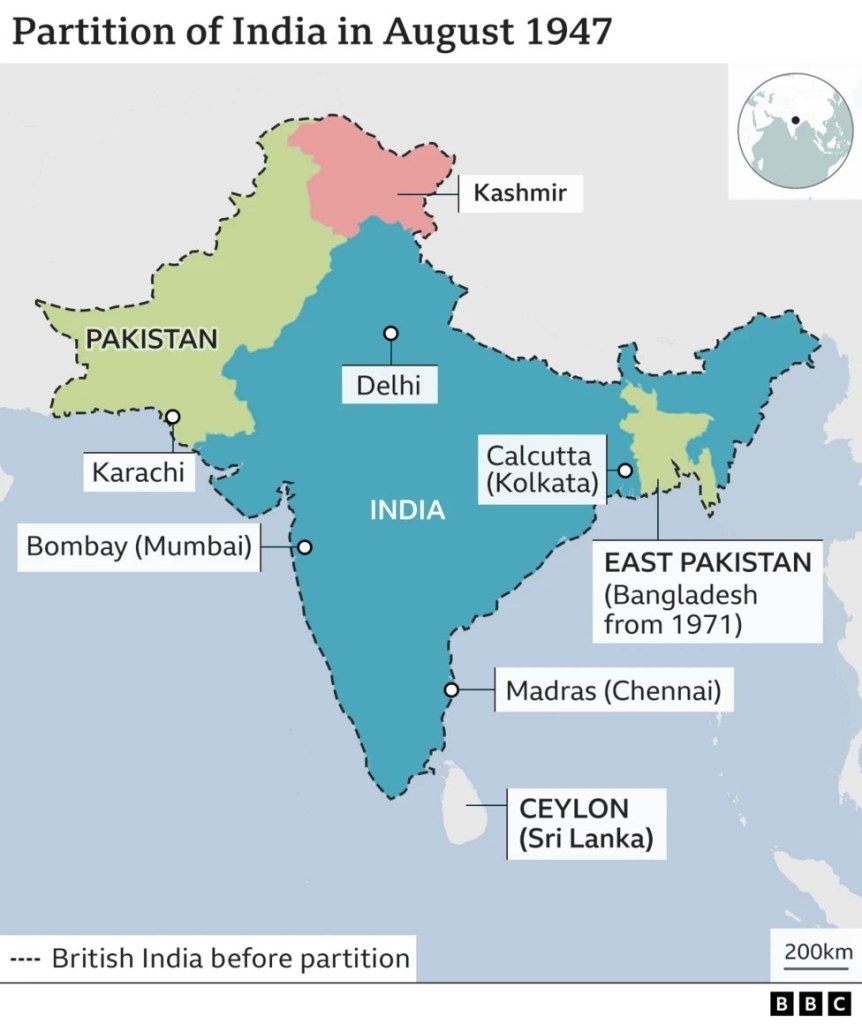
We pay tribute to the five students who were shot in Dhaka in 1952, campaigning for the right to use their mother tongue, Bengali, in public life. East Bengal at the time was under the Dominion of Pakistan, a state produced by Britain partitioning the Indian subcontinent. It’s complicated, but the state covered disparate geographical areas and regional languages, with West Pakistan in the West and East Pakistan where Bangladesh is now. The language of choice for the Government of the Dominion of Pakistan, was Urdu, and in East Bengal the majority language was Bengali but the government was proposing to only recognise Urdu as the official language.
After the shootings, there was a huge civil unrest and conflict which spanned years, ending in 1956 when the government backed down and granted official status to the Bengali language. The Bengali language movement played a key part in formulating a national identity and liberation movement, which produced the nation of Bangladesh, which celebrates today as a national holiday, under the slightly more radical title of Language Movement Day.
https://www.bbc.co.uk/news/world-south-asia-62467438
The Language Movement in Wales
Here in Wales we face an interesting language struggle, one which is longer but similarly tied up with national identity. The struggle for Cymraeg has been entangled with the struggle of Wales as a nation and the development of capitalism in the 19th Century. Where the Bengali language movement arose because of the sudden imposition of new laws which threatened the majority language, in Wales we faced a slower threat which began to develop in the 11th Century.
Norman Power in Wales
After the Normans conquered England in 1066, they attempted to sweep through Wales, where they ran into a few more problems. Wales was a collection of kingdoms with no single ruler, so the Normans annexed individual kingdoms one by one and established Earldoms loyal to Norman rule, plantations were set up, with imported Flemish planter – populations forming power bases, which to this day are reflected in Pembrokeshire being known as Little England Beyond Wales. These hubs of non-Welsh speakers were given preferential treatment by the central Norman powers as they controlled the local population, however the majority of Welsh people still spoke Welsh and used it in public life.
Legal Warfare
The state of the language was challenged again formally in 1284 when Edward I of England imposed the Statute of Rhuddlan, which established English common law in Wales and proclaimed the first prince of Wales. The majority of Welsh speakers at this time were peasants and therefore interacted with the legal system only when they themselves were being prosecuted , so Welsh remained the prime language of home and work life, but was increasingly marginalised in the official legal and political spheres .. The nobility by contrast were primarily speakers of English and French, granting these languages more power and prestige and rendering Welsh a folk language, not suitable for administration or legal matters.
Migration and Machinery
The percentage of Welsh speakers began to decline in the mid 1800s as the industrial revolution changed everything. Steam powered machines allowed factories, mines and quarries to expand and just as they were hungry for coal, they were hungry for workers. Enclosure of common land had already displaced peasants from small Welsh speaking communities into larger towns and the explosion of heavy industry pulled them even further into the south and northeast just as English speakers from England, Scotland and Ireland migrated in for work.
Language as a Tool
Language is ultimately a means for the production of knowledge, it is part of the toolkit used in work to produce profit for capitalists. The industrial revolution brought Welsh speakers into close association with English speakers and the language of their workplaces became English, efficiency is vital for the capitalist and communication is just another tool in the production line. Welsh workers had to adapt. It did not take long for English to be seen as a desirable language and for Welsh to be associated with backwardness and poor prospects. The Treachery of the Blue Books in 1847 resulted in English being taught across Wales in order to improve the moral standing of the nation and make the Welsh population more useful and controllable. Welsh use outside of the home dwindled down in all but the most rural and isolated areas of Wales, Y Fro Gymraeg, the heartlands of Welsh speakers, isolated from the rest of Wales by the mountains of Eryri.
Language as Culture
Pushing a language out of public spaces and into the home threatens the culture, history and tradition of the speakers of the language, however Welsh has been pushed out of the home too. Media in Wales was almost exclusively broadcast in English until the Welsh language movement began to campaign in earnest in the 1960s, as English media broadcasting increased it was clear that Cymraeg was being neglected. The campaign groups were often socialist and republican in nature and had some major wins, including the set up of S4C, a state funded Welsh TV broadcaster, BBC Radio Cymru, bilingual road signage, and commitments from the Welsh Government to increase the number of Welsh Language Speakers to one million by 2050. Today we pay tribute to Cymdeithas Yr Iaith and the Welsh Socialist Republican Movement (WSRM) and others who saved Welsh from extinction.
Language and Liberation
Y Seren Goch was founded as a multilingual platform in the commitment to our national language Cymraeg. We are proud to have published in Welsh and Cornish, and are intending to include Irish soon. We see the fight for language in Wales as a shared struggle with neglected mother languages across the world. Many countries are facing the impact of imperialism, globalisation and capitalism which is affecting minority languages and the people who speak them.
Welsh and Bengali suffered similar threats. For the Bengali speakers they could only resolve the threat to their language by fighting for independence and a nationhood. Wales is a half-formed state, we were incorporated into England hundreds of years ago and have only been allowed small crumbs of devolution in the last 50 years. The Senedd will never pass legislation that discourages foreign direct investment into Wales. They will never impose Welsh language rules on the private sector that might impact profit margins. The Senedd and Westminster, as is our analysis on every other issue, cannot be used to curtail the powers of capital without running up against extreme resistance. Only an independent socialist Welsh Republic can protect and revive Cymraeg.
On review, Cymraeg can be said to firmly exist in the category of a second-class language. Provided lukewarm support in the public sphere, and left to the will of the market in the private sphere. Cymraeg sits uneasily in a position shared by many minoritised languages; afforded just enough support to preserve it, but in a state of living death, worthy of a place in a museum exhibit, but left to die in the realm of public life where English is definitively the primary language with rare exception.
Learning Welsh
If you want to learn Welsh and are under 25 years old you can access free courses through the Dysgu Cymraeg website, all courses are free for you, you just have to click through to the payment option and tell them your age. https://dysgucymraeg.cymru/dysgu/chwilio-am-gwrs/?p=1065&w=1.00,45.00
If you are over 25 years old and work in the public sector you should be able to learn Welsh for free in your work time, check your local policy and talk to a Trade Union Rep.
If you work in the private sector or the third sector, it’s a lottery! Talk to your manager, Trade Union or colleagues.
Or learn in your own time, the editor of YSG used Say Something in Welsh for 2 years and found it hugely helpful.
